Question 2
Draw with , , . Draw the circumcircle of . Is the centre inside or outside the triangle?
- To construct the triangle , we use the given side lengths , , and included angle .
- The circumcentre of a triangle is the point of intersection of the perpendicular bisectors of its sides, and the circumcircle is drawn with the circumcentre as the centre passing through all three vertices.
- Since , is an obtuse-angled triangle, meaning its circumcentre lies outside the triangle.
Step 1 · Draw the Base
Draw a line segment .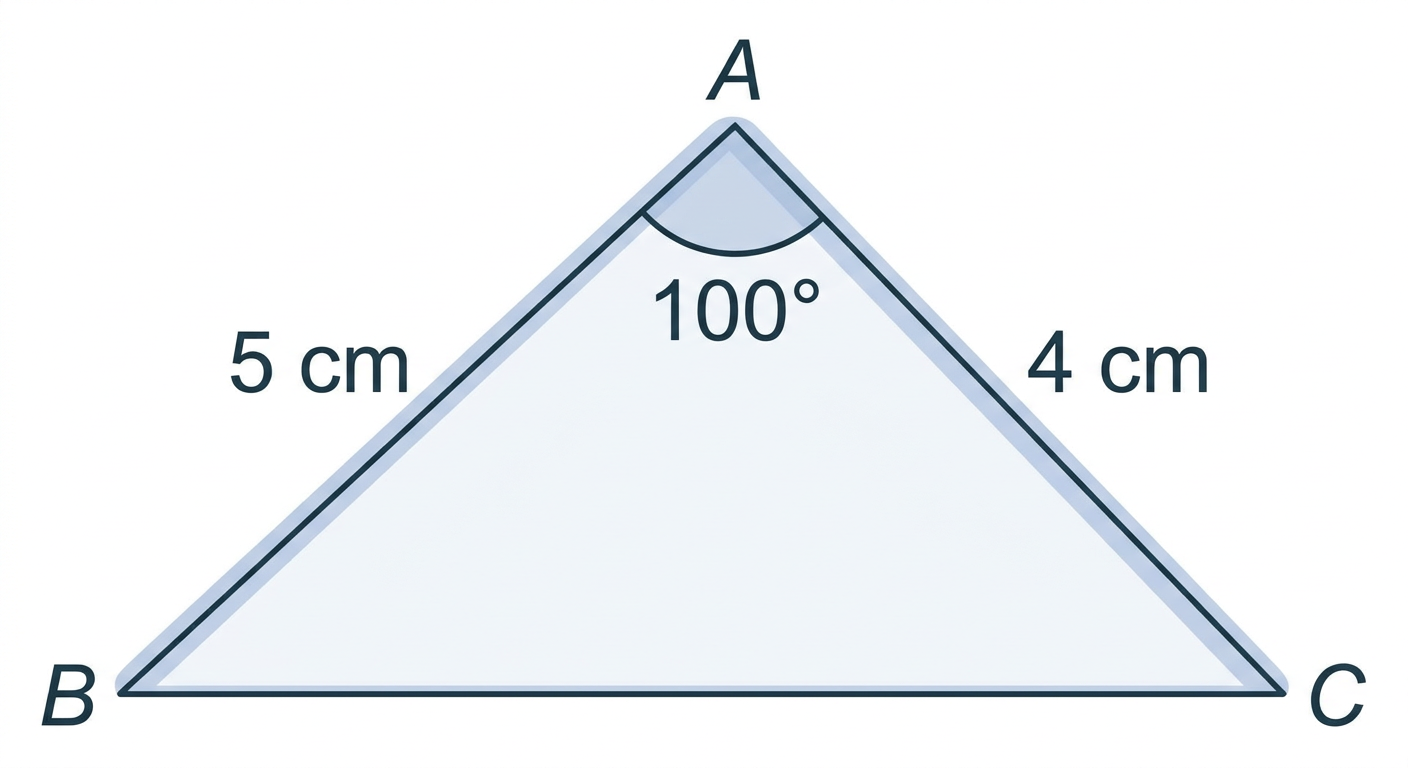
Step 2 · Construct Angle A
Using a protractor at point , construct and draw ray .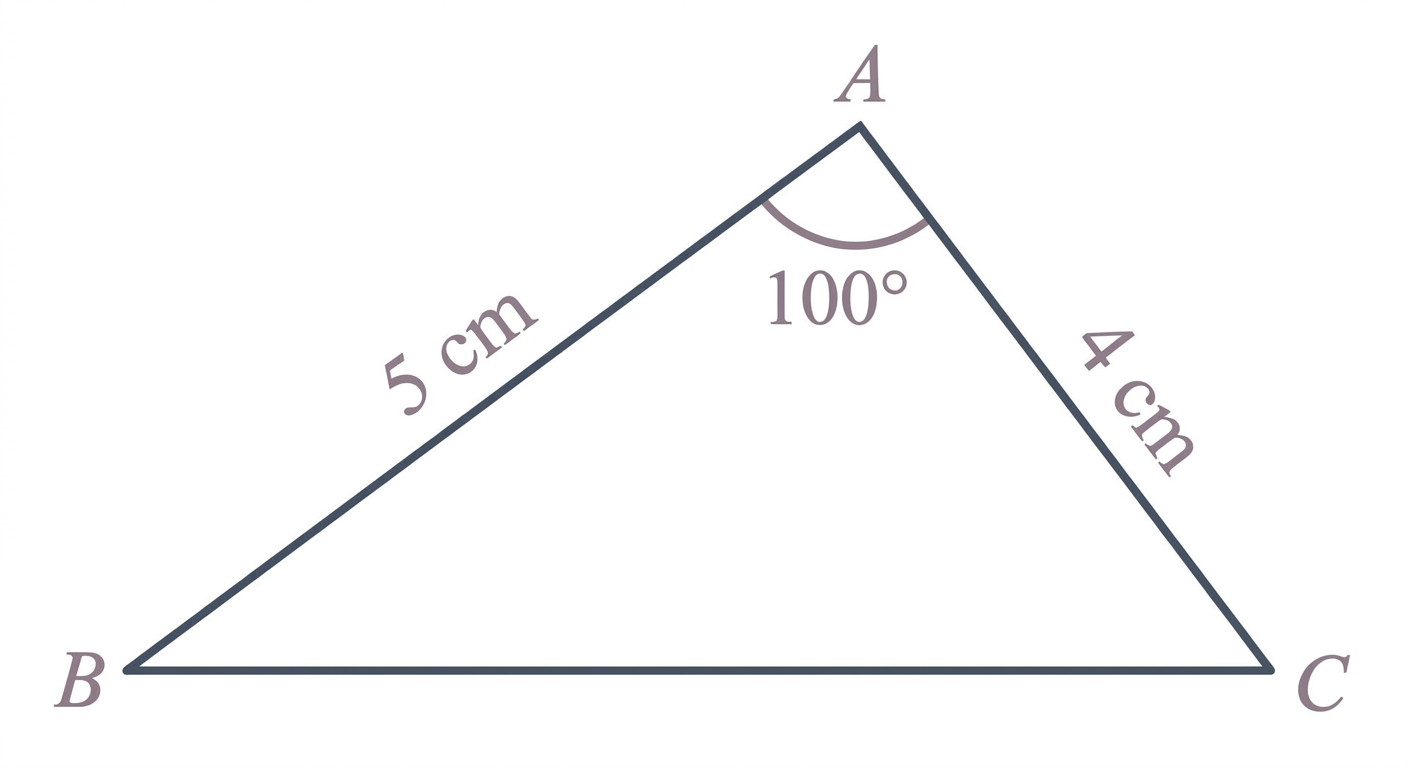
Step 3 · Locate Point C and Form Triangle ABC
With as centre and radius , cut an arc on ray at point . Join to complete .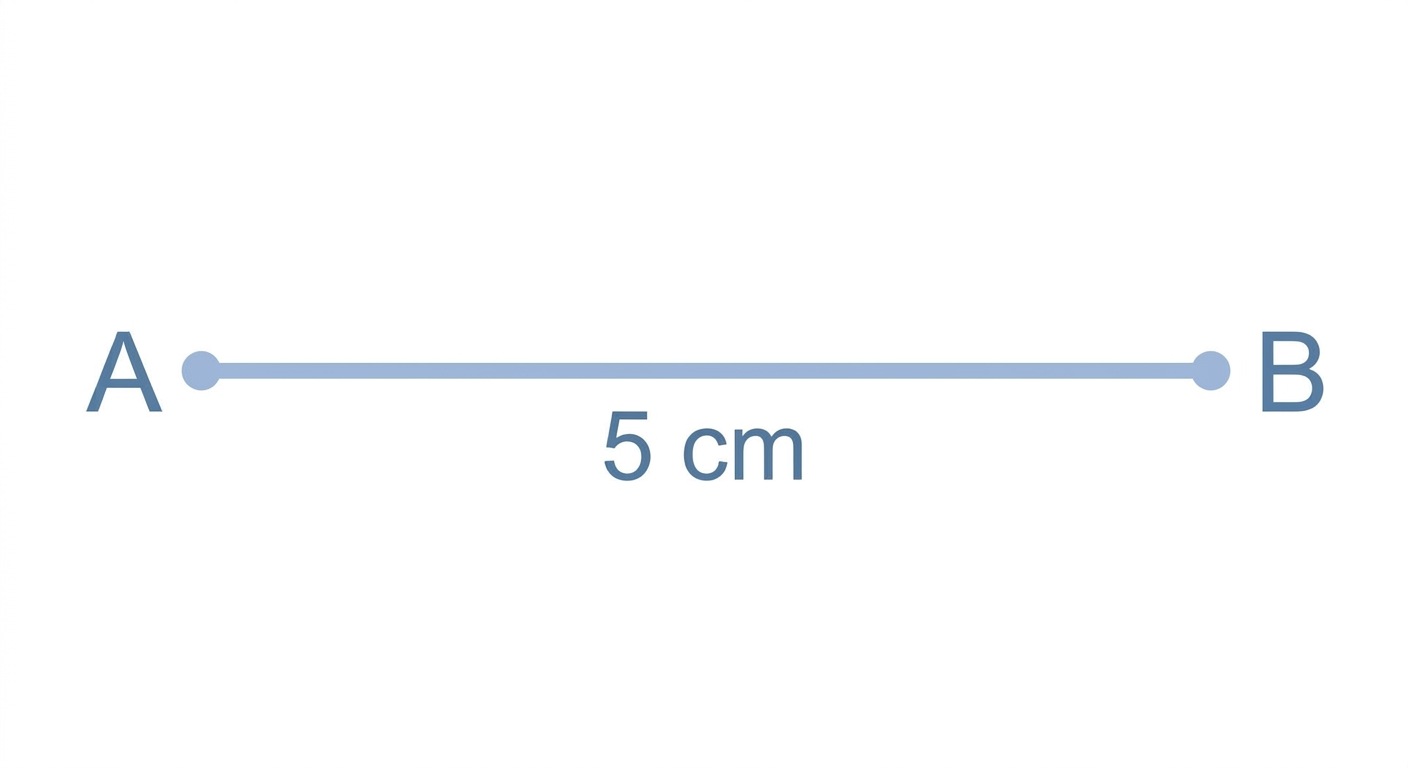
Step 4 · Draw the Perpendicular Bisector of AB
With centres and and a compass radius greater than , draw arcs on both sides of intersecting each other. Draw a line passing through these intersection points to obtain the perpendicular bisector of .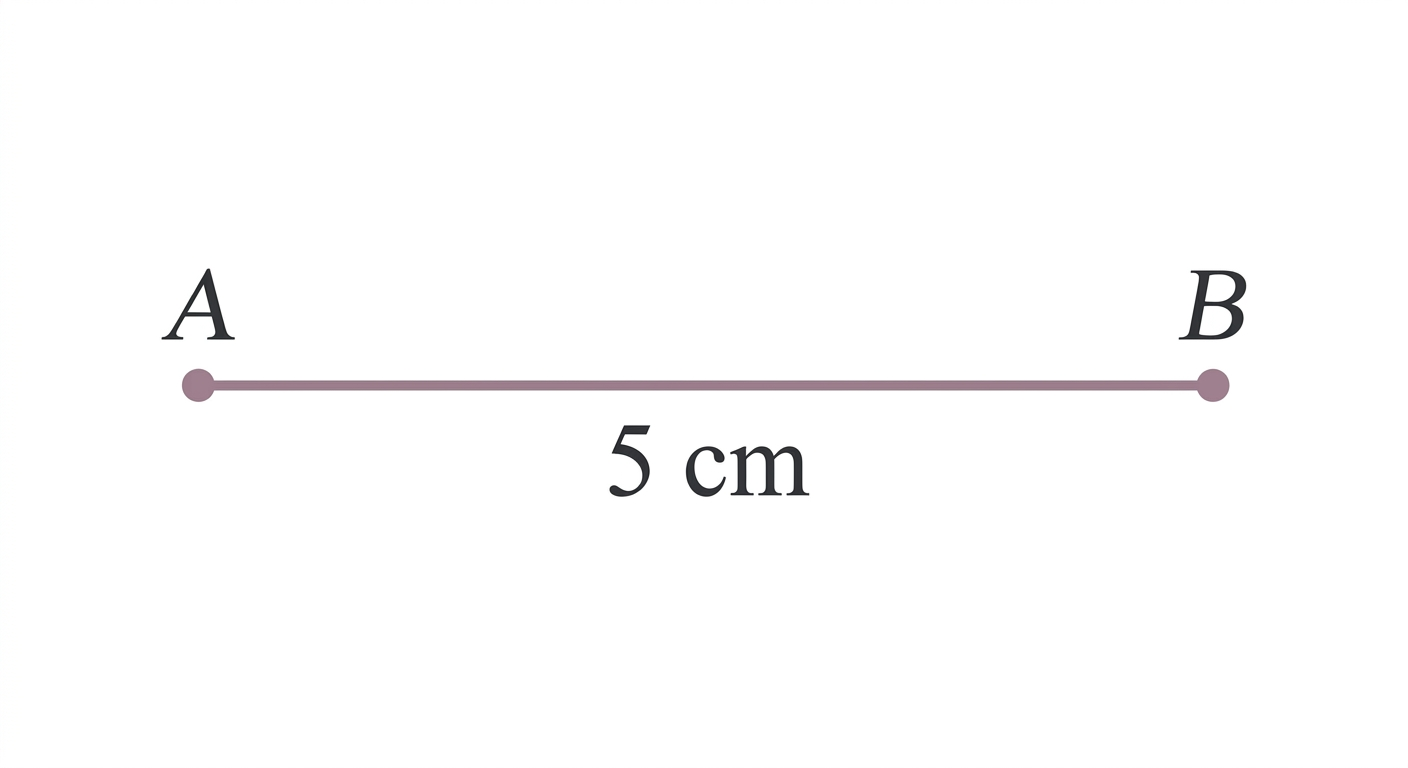
Step 5 · Draw the Perpendicular Bisector of AC
With centres and and a compass radius greater than , draw arcs on both sides of intersecting each other. Draw a line through these points to obtain the perpendicular bisector of .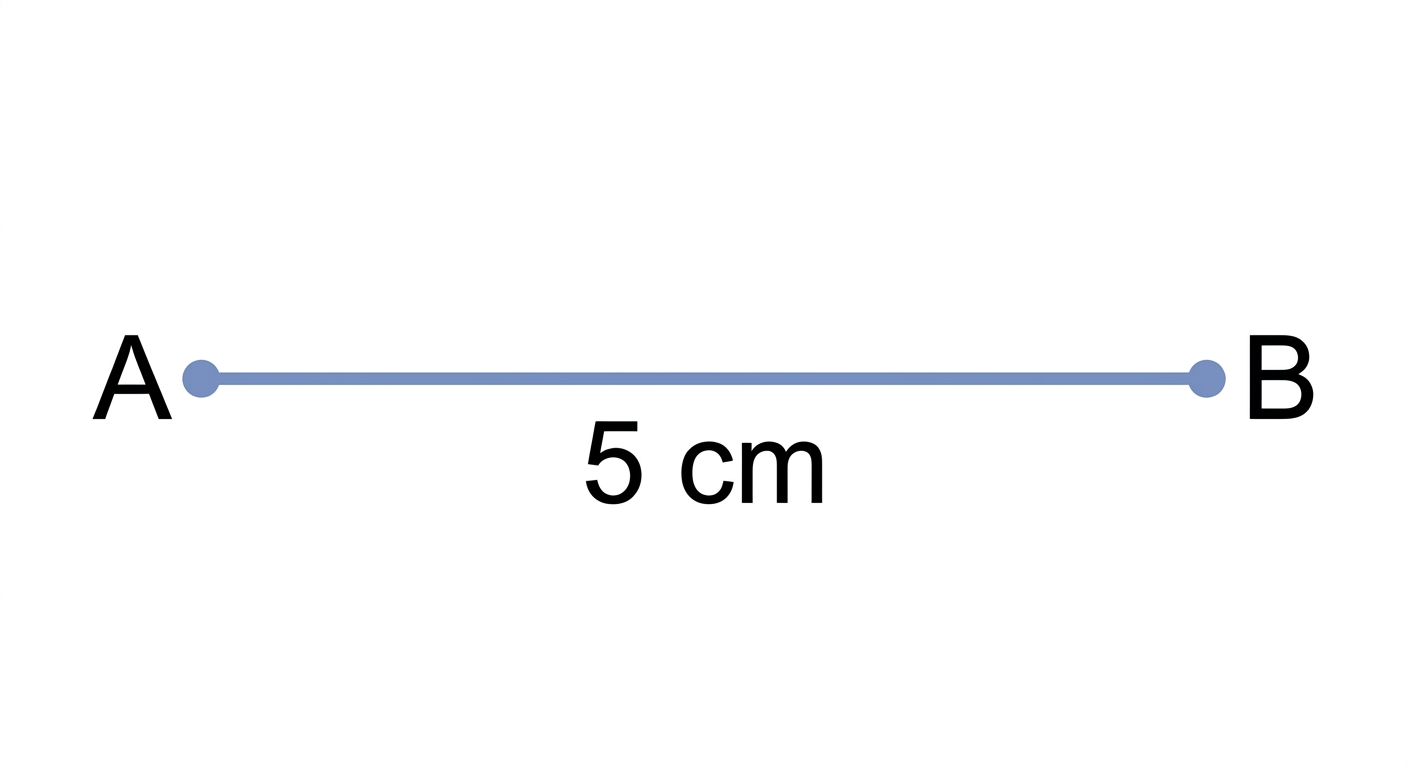
Step 6 · Locate the Circumcentre
Let the perpendicular bisectors of and intersect at point . Point is the circumcentre of .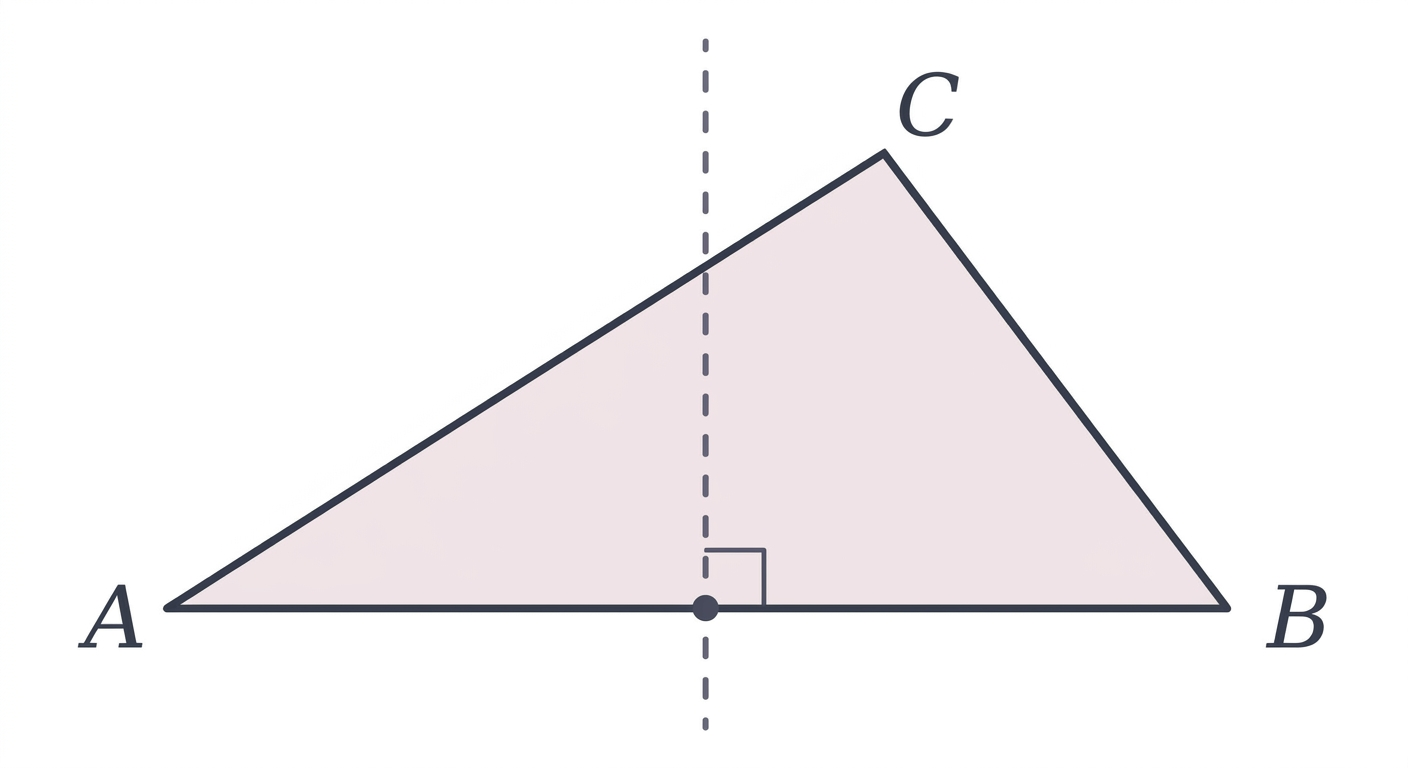
Step 7 · Draw the Circumcircle
With as centre and radius equal to (or or ), draw a circle. This circle passes through all three vertices , , and .
Step 8 · Determine the Position of the Centre
Since , is an obtuse-angled triangle.
Therefore, the circumcentre lies outside the triangle.
The centre is outside the triangle.
- Position of Circumcentre: The circumcentre lies inside an acute triangle, on the hypotenuse of a right triangle, and outside an obtuse triangle. Since , the centre must be outside.
- Bisector Radius: Drawing arcs with a radius less than or equal to half the side length will prevent the arcs from intersecting.
- Incircle vs. Circumcircle: Confusing the circumcircle (intersection of perpendicular bisectors of sides) with the incircle (intersection of angle bisectors).
More questions in Exercise 5.1
Draw with , and . Draw the circumcircle of . Is the centre inside or outside the triangle?
Draw with , , . Draw the circumcircle of . Is the centre inside or outside the triangle?
Draw , with , and . Draw the circumcircle of . Let the circumcentre be . Measure , , .
What is the least possible radius of a circle through two points and ?